

Skip to content

Research

Publications

58 papers, chapters, preprints and theses, newest first. * marks equal contribution. Citation counts are on Google Scholar.

2027

1 item

2026

19 items

Springer NatureCommun. Health

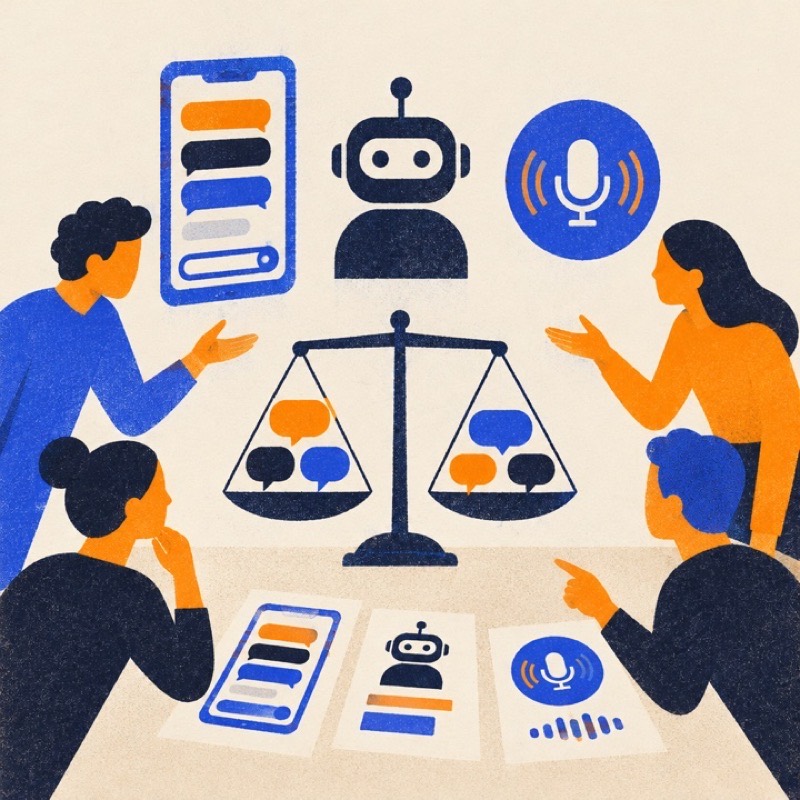
Linguistic inequity in clinical AI evaluation: a scoping review of 806 studies across 62 languages

Dean Ariel, Guy Laban

Communications Health, 2026

A review of over 800 studies reveals that medical AI is rarely tested in non-English languages spoken across high-need regions like Africa and South-East Asia, leaving critical safety blind spots for billions of people. To address this gap, the authors propose a new framework to ensure healthcare AI is rigorously evaluated across diverse global languages.

doi:10.1038/s44528-026-00042-1
IEEERO-MAN

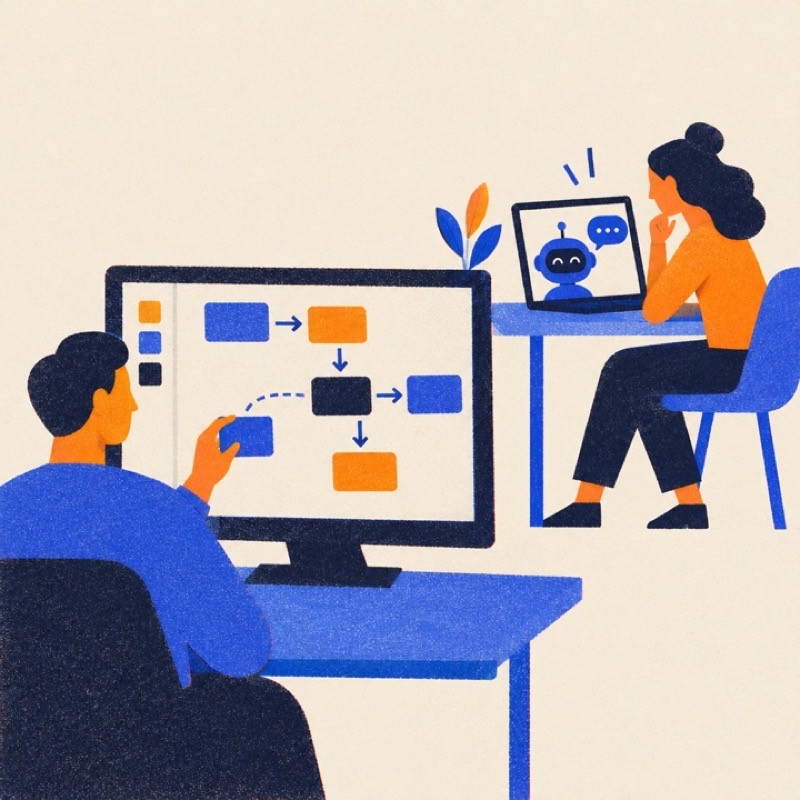
Why Did My Robot Just Change Personality? Prompting Guidelines for a Grounded Robot Persona in LLM-Based HRI

Ashita Ashok, Franziska Babel, Patrick Holthaus, Rucha Khot, Karla Bransky, Fethiye Irmak Dogan, Karsten Berns, Silvia Rossi, Minha Lee, Guy Laban

2026 IEEE 35th International Conference on Robot and Human Interactive Communication (RO-MAN), 2026

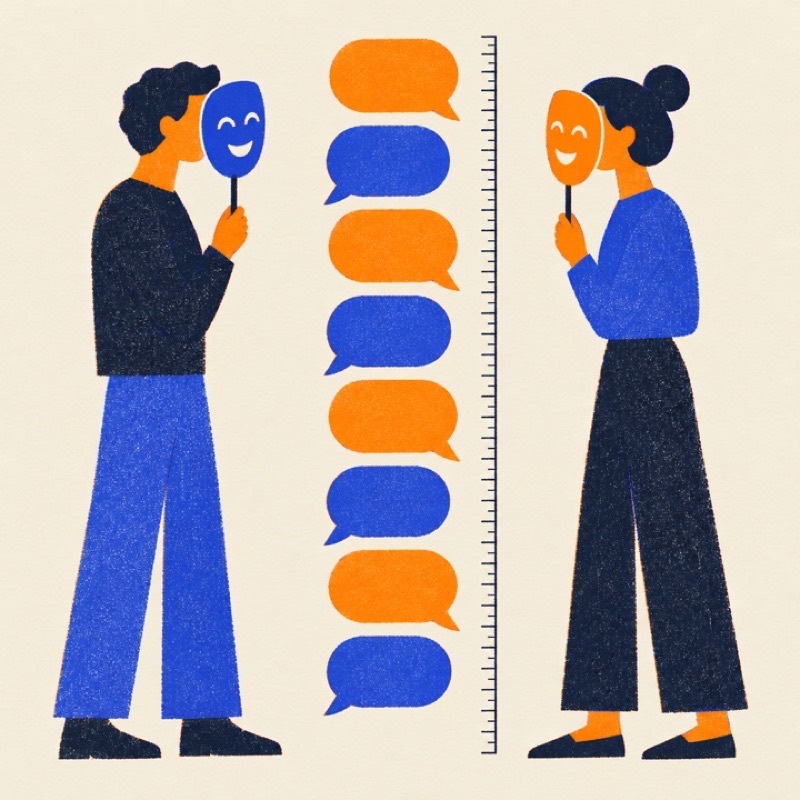
LLM-driven robots can show unstable or misleading personas. From a literature review and 27 HRI experts, this paper proposes an eight-part prompt template and guidelines for grounded robot personas.

doi:10.1109/RO-MAN72286.2026.11714937
IEEERO-MAN

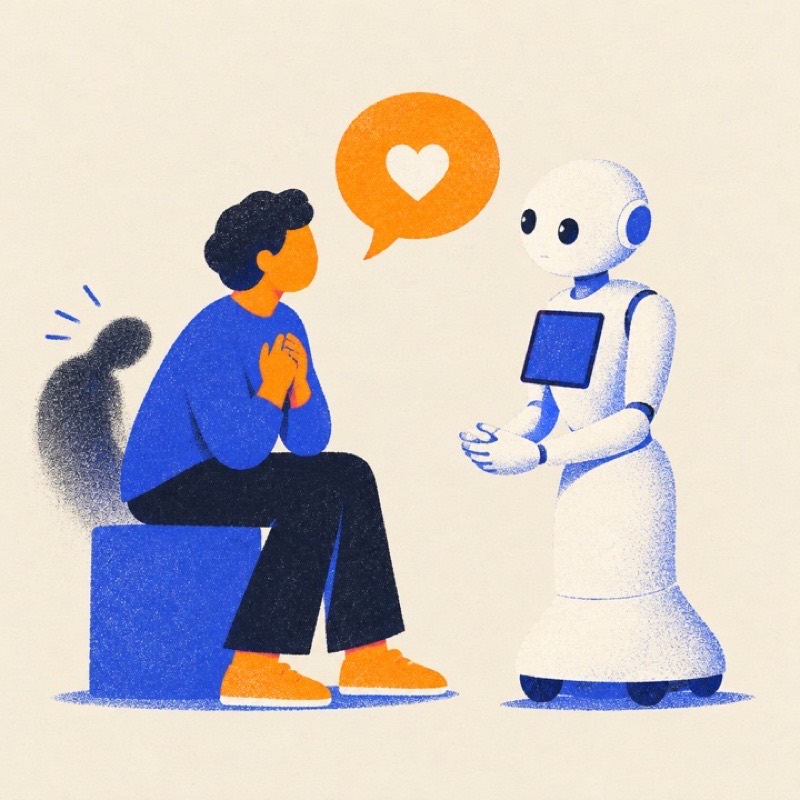
Do Robot-Led Support Conversations Align with Human Therapy Dialogue?

Sophie Chiang, Guy Laban, Hatice Gunes

2026 IEEE 35th International Conference on Robot and Human Interactive Communication (RO-MAN), 2026

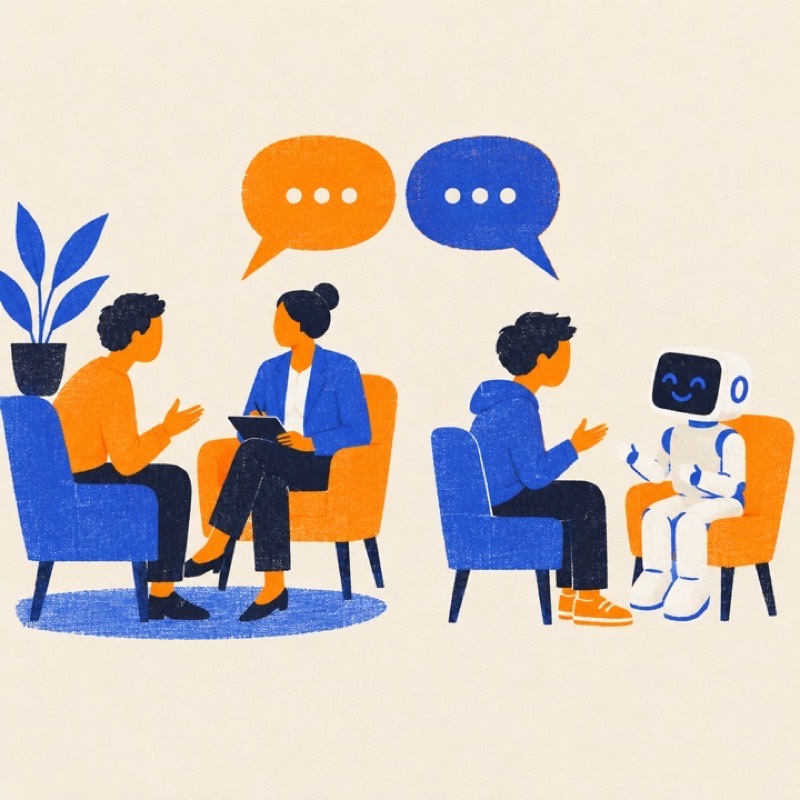
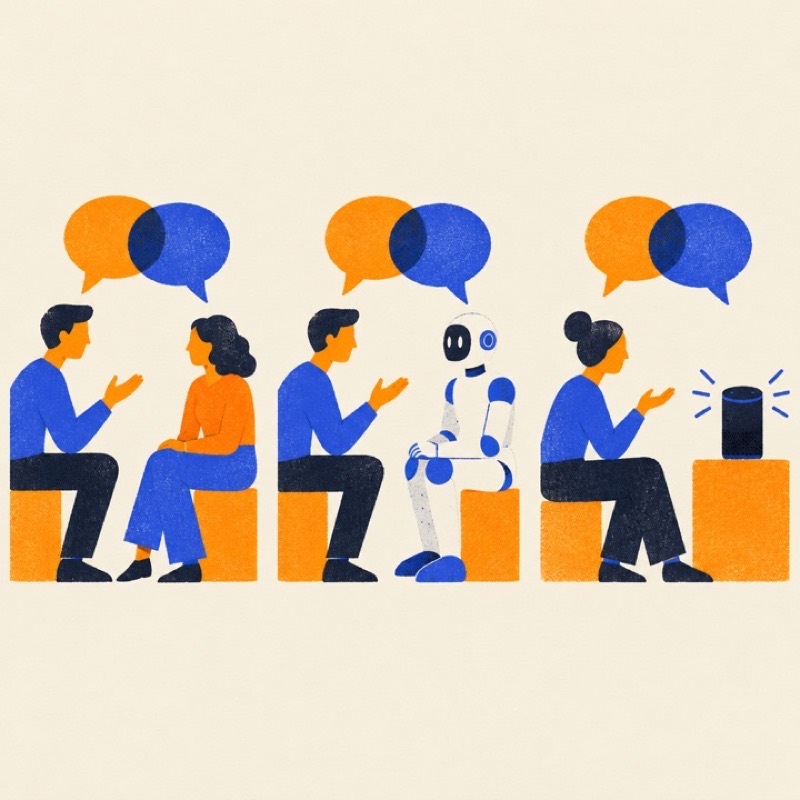
This study investigates how closely robot-led emotional support conversations mirror real human therapy sessions. By highlighting key similarities and communication gaps, the authors provide valuable insights for designing more effective robotic mental health coaches.

doi:10.1109/RO-MAN72286.2026.11714590
arXiv

Underwriting the Agent Economy: The Blueprint for an AI Insurance Stack

Cristian Trout, Sanmi Koyejo, Sasha Romanosky, Giorgio Ripamonti, Lynn Thompson, Desiree Spain, Alex Taylor, Kevin Casey, Stephen Casper, Matthew Botvinick, Sean McGregor, Miles Brundage, A. Feder Cooper, Patricia Paskov, Adrien Ecoffet, Ben Bucknall, Kevin Wei, Markus Anderljung, Lukasz Szpruch, Bri Treece, Tom Zick, Gabriel Weil, Ugur Ozer, Kevin Kalinich, Jesus Gonzalez, Vitaly Baranov, Moran Koren, Guy Laban, Gil Arazi, Henri Winand, Derek Blum, Toby Clowes, Adam Kleinman, Anita Srinivasan, Tom Fehring, Rune Kvist, Rajiv Dattani

arXiv, 2026

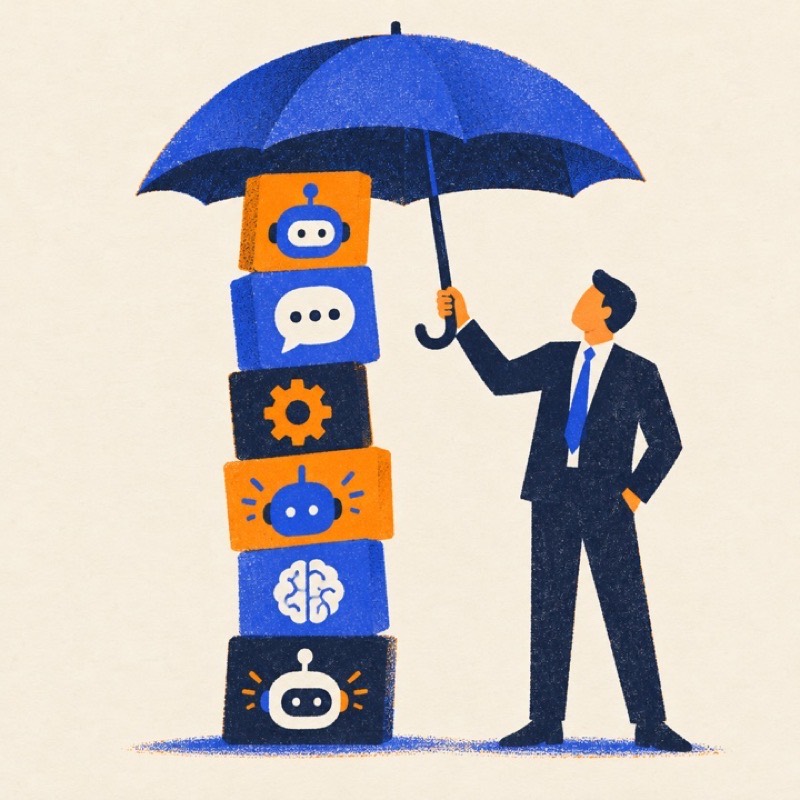
A blueprint for insuring AI agents: an eight-part insurance stack, from incident data to claims handling, to cover AI agent risk at scale by 2030.

doi:10.48550/arXiv.2607.11999
Association for Computational Linguistics

DialogGuard: Multi-Agent Psychosocial Safety Evaluation Interface of Sensitive LLM Responses

Han Luo, Guy Laban

Proceedings of the 64th Annual Meeting of the Association for Computational Linguistics (Volume 3: System Demonstrations), 2026

This paper introduces DialogGuard, a system that uses multiple AI agents to evaluate the psychosocial safety of LLM responses in sensitive areas like mental health, identifying risks like privacy violations or psychological harm more accurately than current methods. It helps ensure AI models are safer for vulnerable users by providing detailed risk scores and explanations.

doi:10.18653/v1/2026.acl-demo.19
ACMDIS

Designing Artificial Identity: The Identity Design Framework and Research Agenda

Karla Bransky, Penny Sweetser, Patrick Holthaus, Guy Laban, Katie Winkle, Neziha Akalin, Ashita Ashok, Jihye Lee, Rucha Khot, Alexandra Bejarano, Jorrit Thijn, Roger K. Moore, Minsu Jang, Joel E Fischer, Minha Lee

Proceedings of the 2026 Designing Interactive Systems Conference, 2026

This paper introduces the "Identity Design (ID) Framework," offering a structured approach with twelve principles to help designers create coherent and ethical artificial identities for AI and robots. It aims to prevent issues like harmful stereotypes and deception by guiding how artificial agents present themselves as individuals, members of groups, and societal entities.

doi:10.1145/3800645.3812962
medRxiv

Consumer chatbots gave similarly empathic answers whether safe or unsafe: a physician-rated evaluation in six languages

Dean Ariel, Lyel Romina Grumberg, Sopak Supakul, Sirawit Wannasri, Ilan Y. Mitchnik, Anna Lev, Weerawat Ariyamethanon, Muhammad Agbarieh, Shafiq Miari, Guy Laban, Boaz Hasid

medRxiv, 2026

Physicians rated 504 chatbot answers in six languages. How empathic an answer sounded said nothing about whether it was safe, and clinical substance dropped in Hebrew.

doi:10.64898/2026.05.09.26352813
ACMHRI

Social Robotics for Disabled Students: An Empirical Investigation of Embodiment, Roles, and Interaction

Alva Markelius, Fethiye Irmak Dougan, Julie Bailey, Guy Laban, Jenny L. Gibson, Hatice Gunes

Proceedings of the 21st ACM/IEEE International Conference on Human-Robot Interaction, 2026

This study found that disabled students perceived physical robots as more understanding than voice-only agents for support, highlighting the importance of robot embodiment and how different robot roles and interaction styles impact accessibility in higher education.

doi:10.1145/3757279.3785593

2025

12 items

IEEEIROS

A Multimodal Neural Network for Recognizing Subjective Self-Disclosure Towards Social Robots

Henry Powell*, Guy Laban*, Emily S. Cross

2025 IEEE/RSJ International Conference on Intelligent Robots and Systems (IROS), 2025

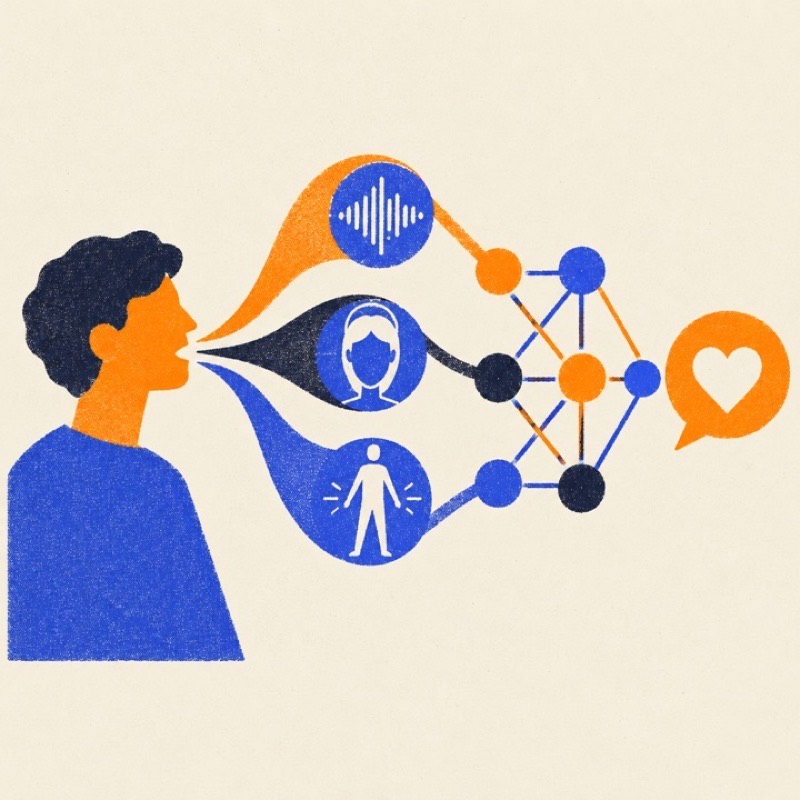
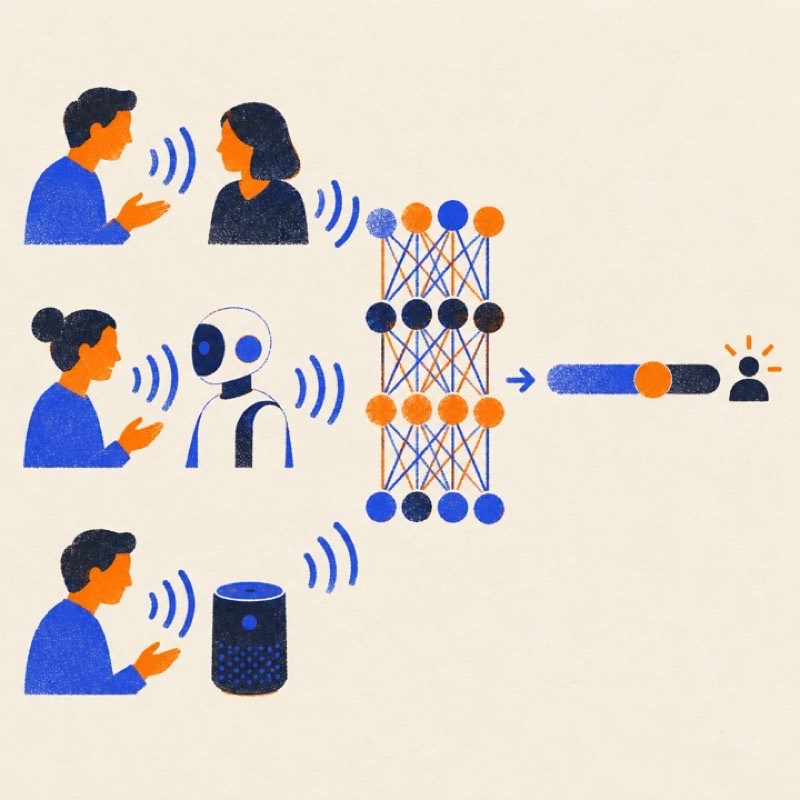
This paper introduces a new AI that can identify when people are sharing personal information with social robots by analyzing their speech and non-verbal cues. This helps robots better understand and respond appropriately to human vulnerability.

doi:10.1109/IROS60139.2025.11246044
ACMIVA

DEBP-PVA: Designing and Evaluating Behavioral Paradigms With Proactive Virtual Agents

Alafate Abulimiti, Paola R Peña, Fatemeh Alizadeh, Shashank Ahire, Heloisa Candello, Smit Desai, Justin Edwards, Yuan He, Darragh Higgins, Alberto Jovane, Matthias Kraus, Guy Laban, Rachel McDonnell, Jairo Pérez-Osorio, Tanja Schneeberger, Jaisie Sin, Tobias Thejll-Madsen, Nima Zargham, Benjamin R Cowan

Adjunct Proceedings of the 25th ACM International Conference on Intelligent Virtual Agents, 2025

A workshop on designing and evaluating behavioural paradigms that elicit and measure proactive behaviour in intelligent virtual agents.

doi:10.1145/3742886.3758118
IEEERO-MAN

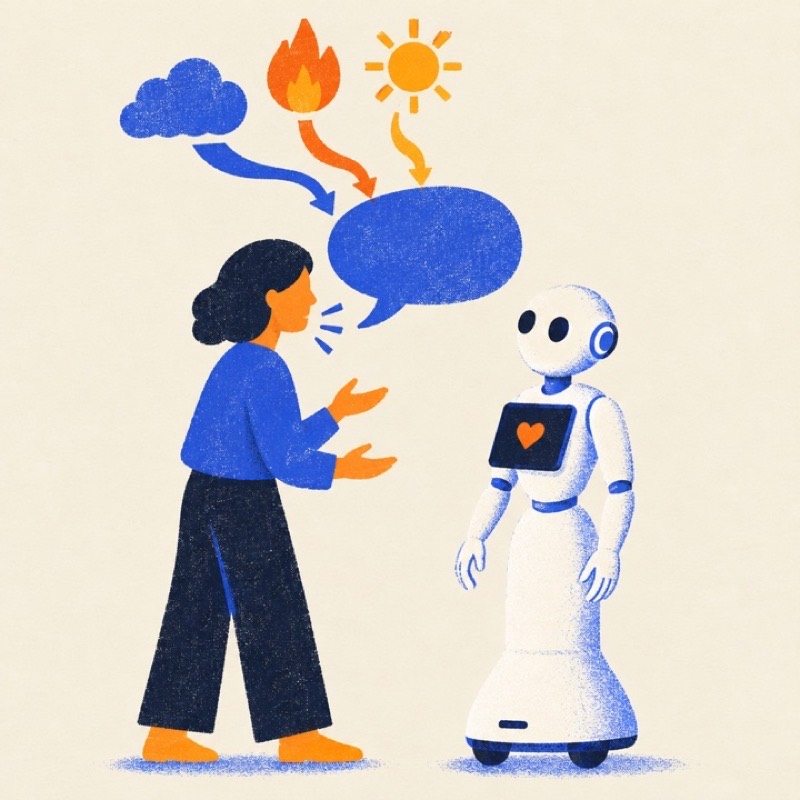
What People Share With a Robot When Feeling Lonely and Stressed and How It Helps Over Time

Guy Laban, Sophie Chiang, Hatice Gunes

2025 34th IEEE International Conference on Robot and Human Interactive Communication (RO-MAN), 2025

This study found that young adults who repeatedly interacted with a robot powered by AI reported feeling less lonely and stressed. The types of things they talked about with the robot changed based on their initial stress levels, with more distressed individuals discussing social connections and less distressed individuals focusing on personal goals.

doi:10.1109/RO-MAN63969.2025.11217573
IEEERO-MAN

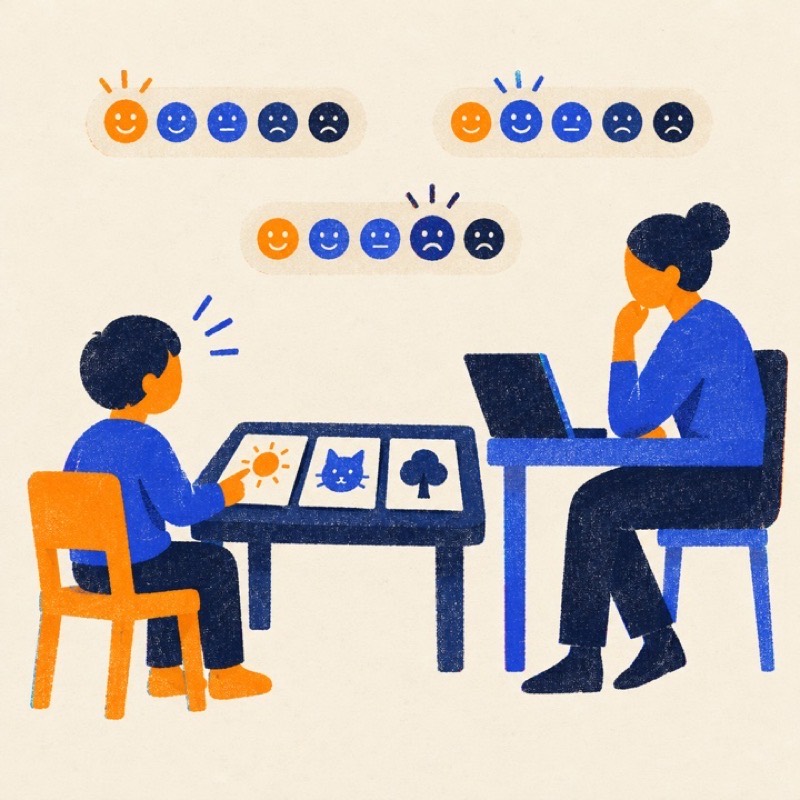
Robot-Led Vision Language Model Wellbeing Assessment of Children

Nida Itrat Abbasi*, Fethiye Irmak Dogan*, Guy Laban*, Joanna Anderson, Tamsin Ford, Peter B. Jones, Hatice Gunes

2025 34th IEEE International Conference on Robot and Human Interactive Communication (RO-MAN), 2025

  • KROS Interdisciplinary Research Award Winner in Social Human-Robot Interaction
  • Best paper nominee
  • Best student paper nominee

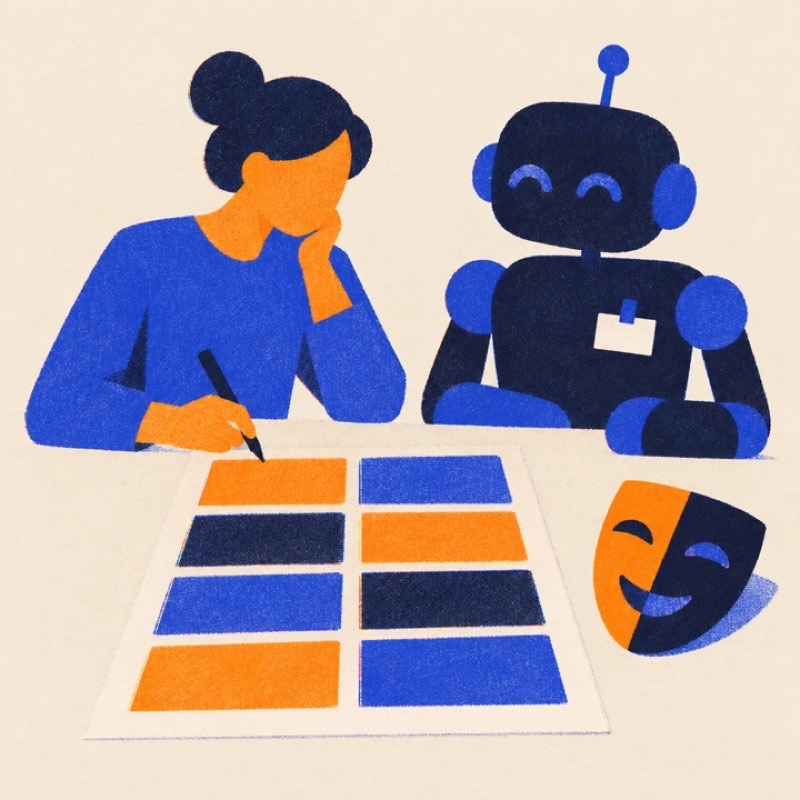
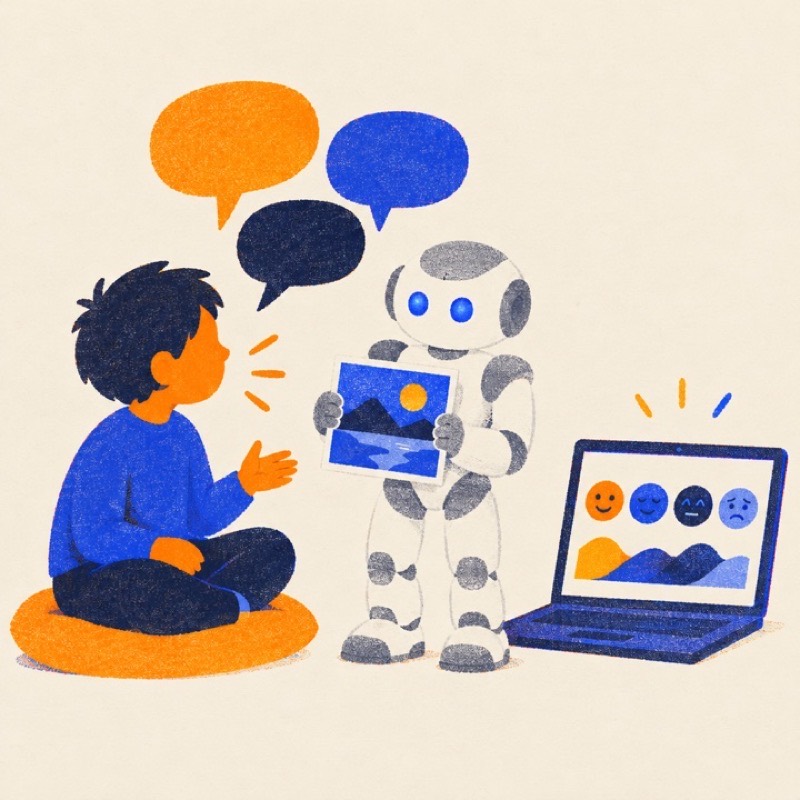
A robot used AI to assess children's mental well-being by analyzing their stories about pictures, showing promise for identifying healthy children but struggling with concerns and exhibiting gender bias.

doi:10.1109/RO-MAN63969.2025.11217833
ACMCUI

Bias and Fairness in Conversational User Interfaces

Guy Laban, Julian Hough, Minha Lee, Alva Markelius, Mary Ellen Foster, Jane Stuart-Smith, Muneeb Imtiaz Ahmad

Proceedings of the 7th ACM Conference on Conversational User Interfaces, 2025

A CUI 2025 workshop that treats bias in chatbots, virtual agents and social robots as a relational and design problem, not only a technical flaw.

doi:10.1145/3719160.3728629
ElsevierCHB: Artif. Humans

Knowledge cues to human origins facilitate self-disclosure during interactions with chatbots

Gabriella Warren-Smith, Guy Laban, Emily-Marie Pacheco, Emily S. Cross

Computers in Human Behavior: Artificial Humans, 2025

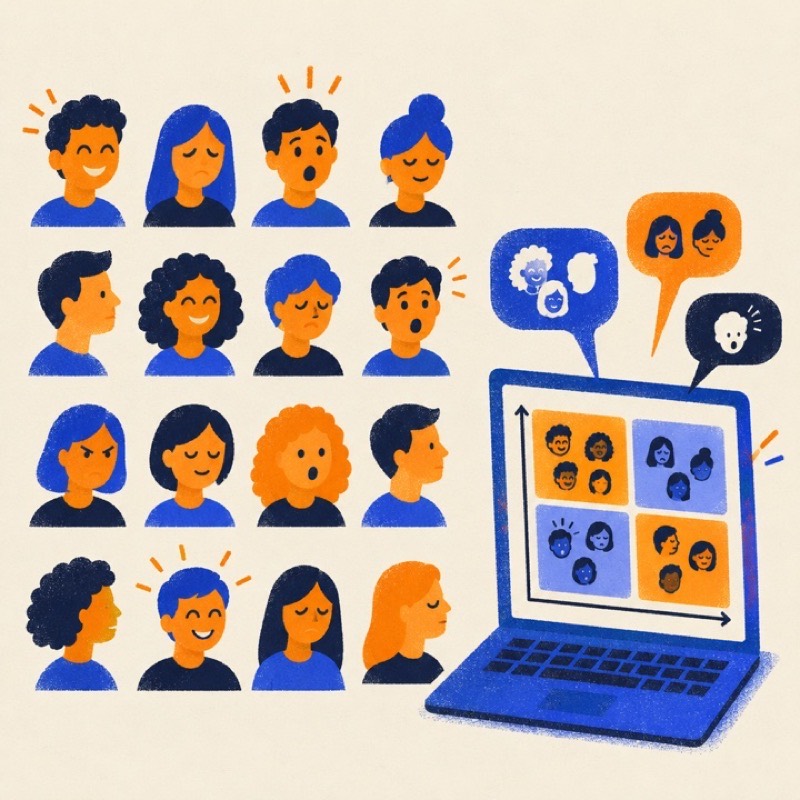
People tend to disclose more personal information to chatbots they believe are human, but paradoxically, they find chatbots they *know* are AI to be friendlier and more sentimental. This suggests that honesty about a chatbot's AI nature might build a different kind of trust.

doi:10.1016/J.CHBAH.2025.100174
ACMTHRI

A Longitudinal Study of Child Wellbeing Assessment via Online Interactions with a Social Robot

Nida Itrat Abbasi, Guy Laban, Tamsin Ford, Peter B. Jones, Hatice Gunes

ACM Transactions on Human-Robot Interaction, 2025

This study found that children's mental well-being can be assessed over time through online interactions with a robot, and children generally maintained positive perceptions of the robot. The research suggests that robots could be a valuable tool for supporting children's mental health remotely.

doi:10.1145/3722123

2024

6 items

ACMHAI

LEXI: Large Language Models Experimentation Interface

Guy Laban, Tomer Laban, Hatice Gunes

Proceedings of the 12th International Conference on Human-Agent Interaction, 2024

This paper introduces LEXI, an open-source tool that helps researchers easily build and run experiments with AI agents powered by large language models, making it easier to study how people interact with AI. It was successfully used to show that empathetic AI agents are perceived as more social and receive more positive responses.

doi:10.1145/3687272.3688296
IEEERO-MAN

Robotising Psychometrics: Validating Wellbeing Assessment Tools in Child-Robot Interactions

Nida Itrat Abbasi*, Guy Laban*, Tamsin Ford, Peter B. Jones, Hatice Gunes

IEEE International Workshop on Robot and Human Communication, RO-MAN, 2024

This study found that robots can reliably and validly administer mental health questionnaires to children, and sometimes even better than self-reporting, though some questions might need tweaking for robot-led interactions.

doi:10.1109/RO-MAN60168.2024.10731253
SpringerIJSR

Building Long-Term Human–Robot Relationships: Examining Disclosure, Perception and Well-Being Across Time

Guy Laban, Arvid Kappas, Val Morrison, Emily S. Cross

International Journal of Social Robotics, 2024

Interacting with a robot over several weeks can lead people to share more, view the robot more positively, and even experience improved mood and reduced loneliness. However, discussing emotionally charged topics with the robot can increase feelings of loneliness and stress.

doi:10.1007/S12369-023-01076-Z

2023

2 items

2022

9 items

ACMCHI

Ethics of Conversational User Interfaces

Minha Lee, Jaisie Sin, Guy Laban, Matthias Kraus, Leigh Clark, Martin Porcheron, Benjamin R. Cowan, Asbjørn Følstad, Cosmin Munteanu, Heloisa Candello

CHI Conference on Human Factors in Computing Systems Extended Abstracts, 2022

A CHI 2022 workshop on the ethics of conversational user interfaces, centred on disclosure, transparency and vulnerable users.

doi:10.1145/3491101.3503699
IEEEHRI

Is Deep Learning a Valid Approach for Inferring Subjective Self-Disclosure in Human-Robot Interactions?

Henry Powell*, Guy Laban*, Jean-Nöel George, Emily S. Cross

2022 17th ACM/IEEE International Conference on Human-Robot Interaction (HRI), 2022

This paper investigates whether deep learning can accurately recognize varying levels of personal information shared with robots, finding that while it shows promise, current methods struggle with the nuances of human self-disclosure.

doi:10.1109/HRI53351.2022.9889431

2021

4 items

SpringerComputing

Future directions for chatbot research: an interdisciplinary research agenda

Asbjørn Følstad, Theo Araujo, Effie Lai-Chong Law, Petter Bae Brandtzaeg, Symeon Papadopoulos, Lea Reis, Marcos Baez, Guy Laban, Patrick McAllister, Carolin Ischen, Rebecca Wald, Fabio Catania, Raphael Meyer von Wolff, Sebastian Hobert, Ewa Luger

Computing, 2021

A five-year research agenda for chatbots across six themes, from users and design to collaboration, democratisation, ethics and privacy.

doi:10.1007/s00607-021-01016-7

2020

4 items

ACMIVA

The Effect of Personalization Techniques in Users' Perceptions of Conversational Recommender Systems

Guy Laban, Theo Araujo

Proceedings of the 20th ACM International Conference on Intelligent Virtual Agents, 2020

In conversational recommendation systems, users feel less in control and perceive more risk when the system initiates recommendations compared to when users initiate them, but the way recommendations are started doesn't change how human-like users find the system.

doi:10.1145/3383652.3423890
SpringerLNCS

Working Together with Conversational Agents: The Relationship of Perceived Cooperation with Service Performance Evaluations

Guy Laban, Theo Araujo

Lecture Notes in Computer Science (including subseries Lecture Notes in Artificial Intelligence and Lecture Notes in Bioinformatics), 2020

This paper explores how consumers' perceptions of working together with an AI chatbot impact their satisfaction with the service they receive. It finds that feeling cooperative with the chatbot leads to better service evaluations.

doi:10.1007/978-3-030-39540-7_15

2019

1 item